



Hadith Perspective: How Prophet Muhammad Classified Dreams
Recorded in Sahih al-Bukhari and Muslim, Prophet Muhammad's teachings classify dreams into three types: divine glad tidings, satanic distress, and psychological reflections.
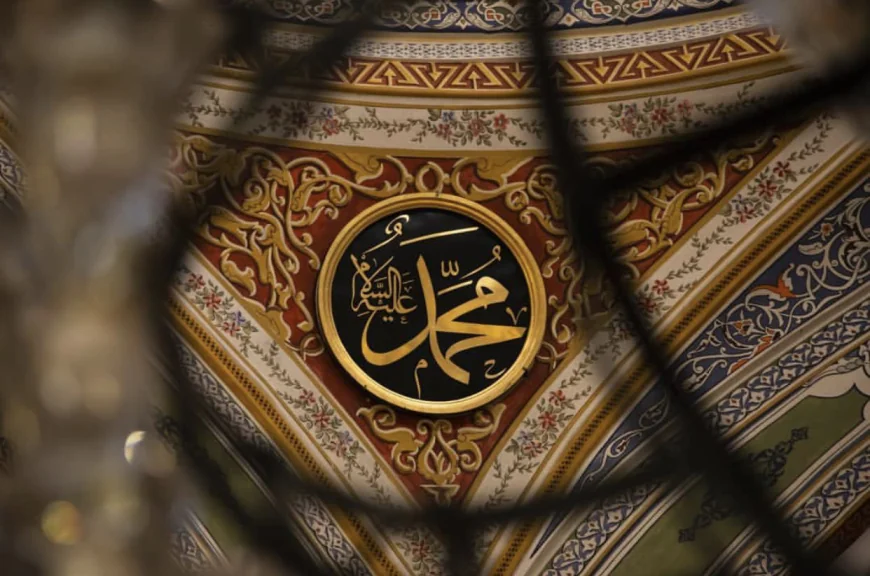


DREAMS WISDOM / ISTANBUL, TURKEY — JAN. 4, 2026
The words and life of Prophet Muhammad (PBUH), recorded in Hadith collections after his passing, provide a comprehensive framework for understanding dreams. Major Hadith compilations, specifically Sahih al-Bukhari and Sahih Muslim, dedicate special chapters to this subject, detailing the Prophet's classification of visions into distinct spiritual and psychological categories.
These texts reveal a clear distinction between a "true vision" (Ru'ya) and a "confused dream" (Hulm), establishing a foundational principle in Islamic dream interpretation: "The good dream is from Allah, and the bad dream is from Satan".
'Kitabu't-Ta'bir' in Hadith Literature
Information regarding dreams is found in almost all Hadith books collecting the Prophet's sayings. In Sahih al-Bukhari, compiled by Muhammad b. Ismail al-Bukhari (d. 256/868), the 91st book is titled "Kitabu't-Ta'bir" (The Book of Interpretation). This section contains approximately 60 hadiths organized under 48 sub-headings.


Similarly, Sahih Muslim, compiled by Muslim b. al-Hajjaj (d. 261/874), features a section titled "Kitabu'r-Ru'ya" (The Book of Vision), which is the 42nd book of the collection and contains 23 hadiths. These chapters reflect the Prophet's understanding of dreams, instances of his own dreams, and his interpretations of them.
The Three Categories of Dreams
According to the hadiths derived from these sources, dreams are evaluated in three distinct parts:
-
Salih Ru'ya (Righteous Vision): These are good dreams that serve as glad tidings (bushra) from Allah.
-
Hulm (Satanic Dreams): These consist of sadness, fear, or nightmares caused by Satan to distress the sleeper.


-
Internal Thoughts: These are dreams stemming from a person's own delusions, daily life, or psychological state.
The Theological Nuance
While hadiths attribute bad dreams to Satan, Islamic scholars clarify that this does not mean Satan has the power of creation. In Islamic culture, while Allah is the creator of all actions, bad acts are not attributed to Him out of proper etiquette. Therefore, attributing nightmares to Satan is a metaphorical attribution. Scholars define dreams as spiritual perceptions placed by Allah into the human heart and consciousness, either directly or via angels and Satan, as truth or allegory.
What's Your Reaction?
 Like
0
Like
0
 Dislike
0
Dislike
0
 Love
0
Love
0
 Funny
0
Funny
0
 Wow
0
Wow
0
 Sad
0
Sad
0
 Angry
0
Angry
0

Editorial Desk |DreamWisdom.com is a comprehensive knowledge and editorial platform focused on dreams, dream interpretation, and dream science. The platform explores religious, psychological, cultural, and scientific perspectives, bringing together classical dream traditions with modern analytical approaches.






















Comments (0)