Prophet Muhammad, Jesus Christ, and the Digital Vision: A New Architecture of Peace
This article explores how the teachings of Prophet Muhammad and Jesus Christ can intersect with modern technologies, particularly artificial intelligence and the internet, to create a new, digital framework for global peace and justice. It envisions a spiritual and technological revolution leading to a more harmonious world.
 editor


Yusuf Inan Writes…
Prophet Muhammad, Jesus Christ, and the Digital Vision: A New Architecture of Peace
Internet Technologies, Artificial Intelligence, and the Universal Message of Islam:
The Philosophy of Global Salvation Through the Teachings of Prophet Muhammad, Jesus Christ, and the Mahdi
Abstract


This article explores how modern technologies—particularly the internet and artificial intelligence—can align with the universal messages of Islam and other divine traditions to create a new mode of spiritual outreach in the digital era. It examines how Qur’anic education, the commentary of Risale-i Nur, the trustworthy model of Prophet Muhammad (Muhammad al-Amin), and the compassionate teachings of Jesus Christ can merge into a global, digital movement offering a philosophical, technological, and spiritual path toward salvation for humanity.
1. Introduction: Digital Transformation and Religious Education
The internet and artificial intelligence have revolutionized the way we access knowledge, learn, and communicate. Unsurprisingly, religious education and spiritual outreach have also been impacted. Traditional Qur’anic schools, often built at great cost yet underutilized, are being challenged by the rise of digital education platforms.
Self-paced, multilingual Qur’an-learning applications are opening new doors for spiritual education worldwide. A Qur’an learning platform modeled after Duolingo, for example, could empower millions while ensuring more efficient and humane distribution of resources.
2. Bediüzzaman Said Nursi’s Perspective: The “Hüve” Treatise and Digital Da’wah
In his Hüve Treatise, Bediüzzaman Said Nursi explores the spiritual significance of existence at the subatomic level—a concept that metaphorically parallels today’s interconnected internet and AI systems. One notable statement from Risale-i Nur reads:
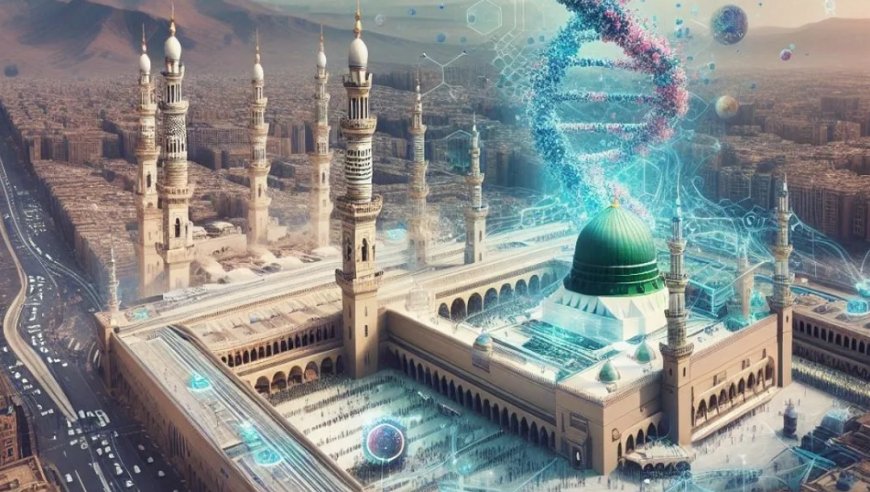
“The surface of the earth is a mosque; Mecca is its mihrab, and Medina its pulpit.”
This perspective suggests that in the digital age, the whole world can become a center for education, spiritual outreach, and moral reform. The digital realm becomes a "global pulpit," enabling decentralized and individual-driven da’wah efforts.
When Nursi declared, "Millions of selfless individuals are needed," today that call may resonate with digital volunteers, developers, educators, and artists working together for spiritual awakening.
3. The Role of Jesus and the Mahdi in the Digital Age: A Scenario of Spiritual Technology
Hadith literature describes the Mahdi as one who will fill the earth with justice, and Jesus Christ as one who will return to support the Islamic ummah. Many scholars interpret these prophecies symbolically, suggesting these figures represent a broader spiritual awakening.
Digital platforms powered by ethical AI and designed with principles of justice, compassion, truth, and responsibility could fulfill such a role. The combined moral leadership of Jesus and Prophet Muhammad may symbolically shape a roadmap for a global spiritual reformation—freeing humanity from the darkness of the digital age.
4. A Revolution in Qur’anic Learning: The Duolingo Model and Smart Tafsir Apps
Artificial intelligence is paving the way for revolutionary changes in Qur’an education:
-
Real-time voice recognition can offer instant correction during recitation,
-
Memorization (hifz) can be tailored using individualized learning algorithms,
-
Translatable digital commentaries can bring works like Risale-i Nur to every corner of the world,
-
Prophet Muhammad’s ethical model can be gamified into educational platforms with global reach.
These innovations promise to transform Qur’anic learning from a place-based model to one that is time- and location-independent, enabling personal growth at the learner’s own pace.
5. Global Salvation and a New Language of Peace
Today’s world is grappling with war, loneliness, environmental collapse, and digital addiction. Yet within these crises lies the potential for a digital awakening. If AI is developed with a foundation in human dignity and justice, it can:
-
Unite people of all faiths through shared values,
-
Foster a global legal system grounded in human rights,
-
Usher in an era of wisdom, peace, and prosperity—reminiscent of the age of Solomon.
6. Conclusion: The Prophets’ Shared Mission and the Path to a Digital Revelation
All prophets struggled to guide humanity toward truth, happiness, and eternal salvation. Today, we possess extraordinary tools: the Qur’an, Risale-i Nur, the noble life of Prophet Muhammad, the universal love of Jesus Christ, and the power of artificial intelligence.
With their synergy, we can:
-
Launch a new age of digital da’wah,
-
Spread a clear, universal, and scientifically grounded understanding of Islam,
-
Reimagine the Earth as a just and peaceful place—perhaps even a paradise on Earth.
Such a future depends on the collaboration of sincere believers, ethical scientists, principled AI engineers, and devoted volunteers—working side by side for the common good of all humanity.
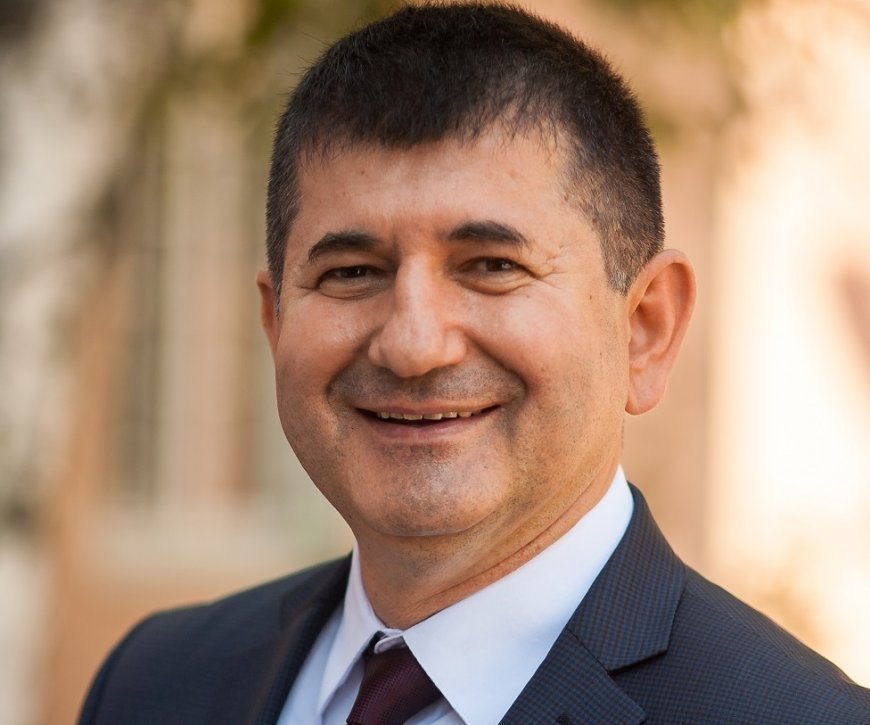
Yusuf İnan – Journalist & Author