Dreaming of Mountains: Meaning and Islamic Interpretations
Dreaming of mountains symbolizes high rank, authority, and victory. Explore detailed interpretations from scholars like Nablusi, Ibn Sirin, and Imam Jafar Sadiq.
 editor


DREAMS WISDOM / NEW YORK, UNITED STATES
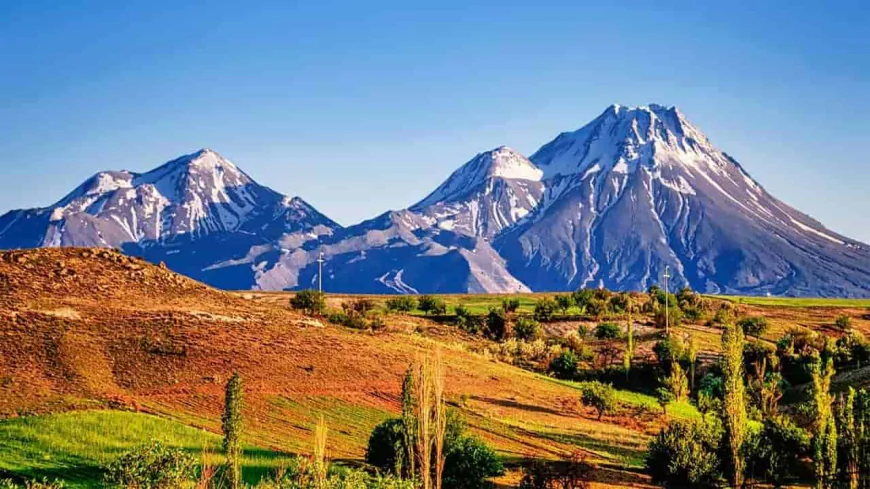
Dreaming of mountains is widely regarded by scholars and spiritual guides as a powerful symbol of high status, firm resolve, and the attainment of significant authority or protection. According to classical Islamic dream interpretation, the mountain represents an influential figure, a strong leader, or a monumental goal that the dreamer is destined to encounter or achieve.
The majestic nature of a mountain often mirrors the dreamer's personal journey toward success, where climbing signifies progress and descending or falling suggests a loss of prestige. This report synthesizes the detailed perspectives of history’s most renowned interpreters to provide a comprehensive guide to understanding mountain-related dreams.
Perspectives of Prophet Daniel (a.s) and Seyyid Suleyman
According to Seyyid Suleyman, citing the wisdom of Prophet Daniel (a.s), perceiving oneself as the owner of a mountain indicates seeking refuge with a person of great importance or coming under the protection of a powerful and just administrator. Reaching the summit of a mountain suggests a close proximity to a leader of high standing, which often leads to an elevation in the dreamer’s own social or professional rank.


However, the sudden collapse or disintegration of a mountain is a grave sign, often interpreted as the downfall of a great state or the scattering of a large community. Seyyid Suleyman notes that descending from a high mountain typically symbolizes losing one's position or losing prestige. In some contexts, it may also reflect a person’s decision to abandon a significant project or ambition they had previously pursued.
Jabir al-Maghribi on Victory and Failure
Jabir al-Maghribi emphasizes the direction of movement within the dream as the primary indicator of its meaning. He posits that anyone who climbs a mountain or reaches a high elevation will see their desires fulfilled and their needs met. Such a dream signifies a decisive victory over one’s enemies. Conversely, descending from these heights is interpreted as a sign of defeat, disappointment, and unmet needs.
The physical state of the mountain also carries weight in Maghribi’s analysis. A mountain that trembles or splits indicates a period of weakness in the local governance or personal authority. If the mountain returns to its original state, it foretells a recovery of strength, the restoration of order, and the healing of those who are unwell.
Spiritual Significance of Sacred Mountains
Islamic tradition assigns specific meanings to historically and religiously significant peaks. Interpreters suggest that the context changes based on the specific mountain seen:
-
Mount Sinai (Tur-i Sina): Reaching this peak suggests success in a debate or a righteous cause, bringing great benefit and honor.
-
Mount Judi: This is a sign of tasks becoming easier, finding safety, and gaining a reputable standing.
-
Arafat: Being on Mount Arafat is interpreted as a sign of sincere repentance and attaining goodness.
-
Mount Lebanon: Ascending this mountain suggests that the dreamer will join the company of scholars and wise individuals.
-
Mount Kaf: Historically, reaching the summit of Mount Kaf is sometimes interpreted as a sign of the end of one's life or a transition to the next world.
Interpretations by Imam Jafar al-Sadiq and Kirmani
Imam Jafar al-Sadiq (r.a) categorized the vision of a mountain into five distinct meanings: dominion, leadership, victory, presidency, and a state of comfort. Building on this, Kirmani suggests that owning a mountain indicates an association with a person of high renown, even if that person possesses a stern or merciless heart.
Walking around a mountain signifies entering the service of a great person to gain honor and rank. For those who find their position secure on a mountain, it foretells increased wealth for the rich, prosperity for the poor, and peace for the fearful. However, Kirmani warns that seeing a mountain from afar without being able to climb it may result in sorrow or the inability to conclude a desired task.
Detailed Analysis by Abdul Ghani al-Nablusi
Abdul Ghani al-Nablusi describes the mountain dream as a representation of a person with a firm heart, sound strategy, and high status. He notes that the physical characteristics of the mountain provide further detail:
-
Greenery and Water: A mountain covered in trees and springs represents a religious and just leader who benefits their people.
-
Barren Mountains: A mountain made only of earth or lacking vegetation symbolizes a leader who offers no benefit to others and is disconnected from spiritual values.
-
Religious Acts: Reciting the call to prayer (Adhan) or prostrating on a mountain peak indicates that the dreamer will become a governor or a leader who defeats their opponents.
Nablusi also highlights the risks associated with mountains. Falling from a mountain suggests committing a mistake or facing a physical ailment. If a person breaks a leg while descending, they may fall out of favor with their superiors or suffer a financial loss.
Final Summary of Mountain Symbolism
In the realm of dream psychology and spiritual interpretation, the mountain remains the ultimate symbol of the "ascent." While climbing with ease predicts effortless success, climbing with great difficulty suggests that the dreamer will face significant trials before reaching their goal. Ultimately, the mountain encourages the dreamer to look toward higher goals while remaining wary of the pitfalls that come with high-level authority and influence.