Dreaming of a mountain: Comprehensive Islamic interpretations
Explore the deep meanings of mountain dreams in Islam. From career success to state authority, discover insights from Nablusi, Ibn Sirin, and Jafar Sadiq.
 editor


DREAMS WISDOM / NEW YORK, USA
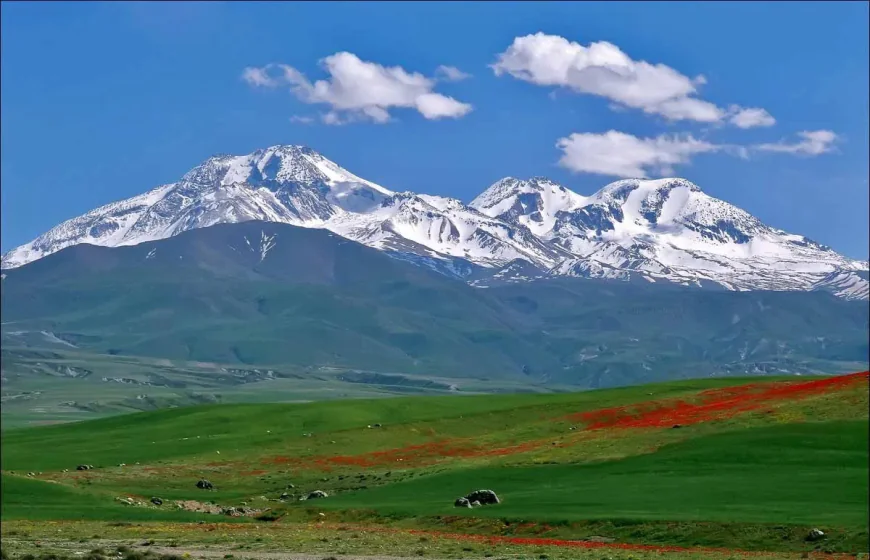
In the profound world of Islamic dream interpretation, the mountain (cebel) is far more than a geographical feature; it represents the pinnacle of human ambition, the unwavering nature of faith, and the immense weight of state authority.
Scholars have long viewed mountain visions as a reflection of the dreamer’s social standing, their relationship with the divine, and their professional resilience. Whether one is reaching the peak, resting in its vast shadow, or witnessing its sudden collapse, every detail serves as a spiritual compass guiding the dreamer toward their worldly and eternal destiny.
The Five Pillars of Mountain Dreams According to Jafar Sadiq
The renowned scholar Imam Jafar al-Sadiq (a.s) categorized mountain dreams into five fundamental themes that define a person's life path. According to his teachings, seeing a mountain signifies:


-
Government and State: The stability of the nation or the dreamer’s position within its hierarchy.
-
Courage: The inner bravery required to face life's most formidable trials.
-
Victory: Overcoming enemies or personal obstacles through persistent effort.
-
Exaltation: Rising in rank, dignity, and honor among one's peers.
-
Leadership: Assuming responsibility as a head of a household, organization, or community.
Imam Jafar Sadiq emphasized that the ultimate success is symbolized by crossing the mountain. To surpass its peak and descend the other side means leaving fear, danger, and mortal threats behind to enter a phase of absolute security.
Climbing to the Peak: Insights from Danyal and Ibn Sirin
The act of climbing is the most common mountain-related vision, representing the struggle for achievement. Hazrat Danyal (a.s) suggests that standing atop a mountain indicates being under the direct patronage of an influential figure. If the dreamer prepares a place to stay on the slopes, it foretells establishing a close relationship with an official or a person of great influence.
Ibn Sirin, however, adds a layer of spiritual caution. While performing the call to prayer (Adhan) or praying on a mountain peak is a definitive sign of a skyrocketing career, he warns that mountains can also symbolize wealth obtained through ruse or clever tactics. Finding oneself trapped in a mountain without an exit may indicate falling victim to a deception, though faith eventually provides a way out.
Nablusi’s Vision: The Nature of Leadership and the State
Imam al-Nablusi provides a detailed analysis of how the mountain’s appearance reflects the morality of leadership. He argues that a lush mountain with green trees and flowing water represents a "religious and just leader," promising that the dreamer will benefit from the kindness of those in power.
Conversely, a bare, rocky mountain signifies a "cruel or useless leader" who offers no benefit to the people. Key symbolic actions include:
-
Drinking from a mountain spring: Receiving wealth and authority proportional to the water consumed.
-
Prostrating on a mountain: Gaining victory over rivals and being appointed to high office.
-
Falling from a mountain: A warning of losing rank, financial loss, or a spiritual deficiency.
Symbolic Movements: Shaking, Burning, and Collapsing Mountains
The physical changes of a mountain in a dream often mirror societal shifts. Jabir al-Maghribi and the Ihya traditions note that a moving mountain suggests a respected leader will be deeply offended. A burning mountain is a somber omen, often predicting the passing of a head of state or a monumental change in leadership. If a mountain shakes and cracks, it warns of an awakening within the nation or weaknesses in current administrative structures.
Sacred Topography: Mount Tur, Arafat, and Kaf
Specific sacred mountains carry profound weight. Being on Mount Tur signifies assuming a leadership role or receiving divine guidance. Standing on Mount Arafat is a beautiful sign of "accepted repentance," suggesting the dreamer has been cleansed of past transgressions. Jabir al-Maghribi mentions that sitting atop Mount Kaf is a deep spiritual sign, often urging the dreamer to focus on the afterlife as their worldly time matures.
Career and Social Omens: Persistence and Despair
The difficulty of the climb is a direct metaphor for professional life. Kirmani suggests that digging into a mountain indicates using strategic intelligence (or cleverness) to achieve goals. According to Diyanet archives, scaling a mountain with a ladder suggests desires will be fulfilled quickly. However, losing heart halfway and being unable to go up or down serves as a warning of professional instability, suggesting a lack of persistence.